
INTERGENERATIONAL CLIMATE CONVERSATION IN OSTIA (ITALY)
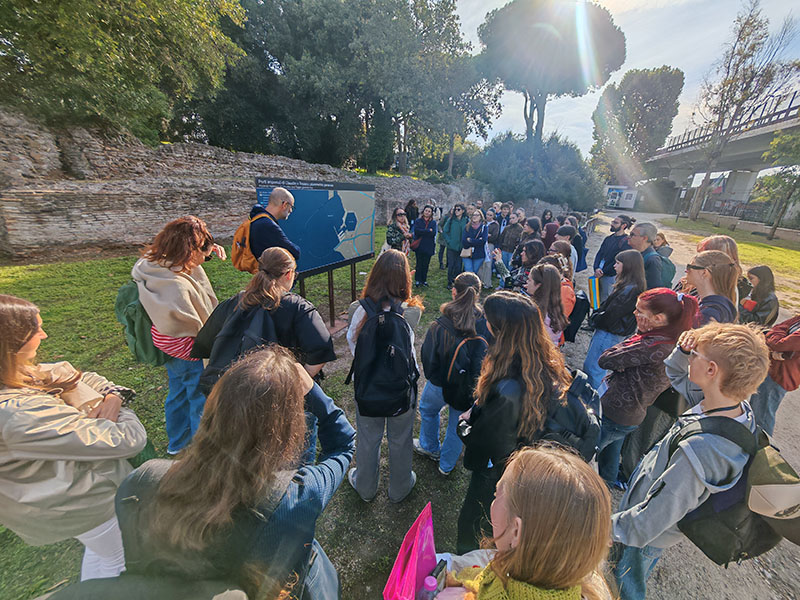
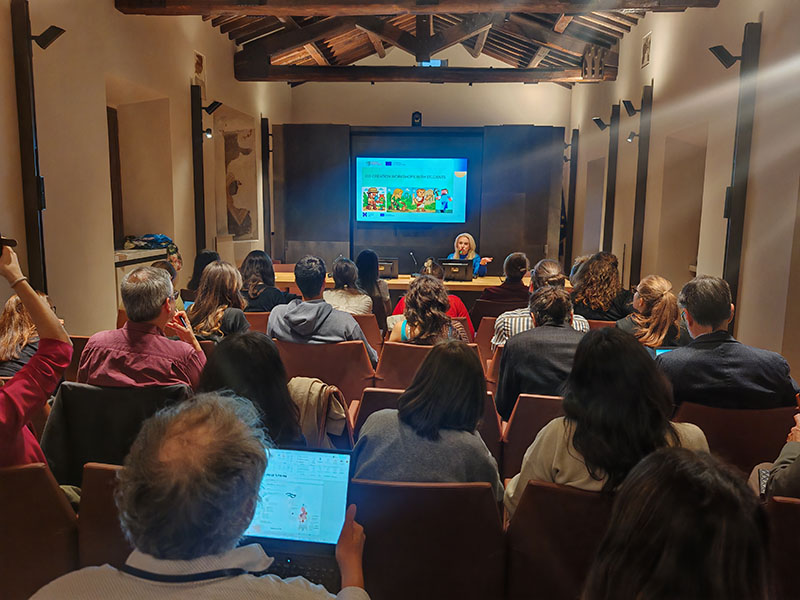
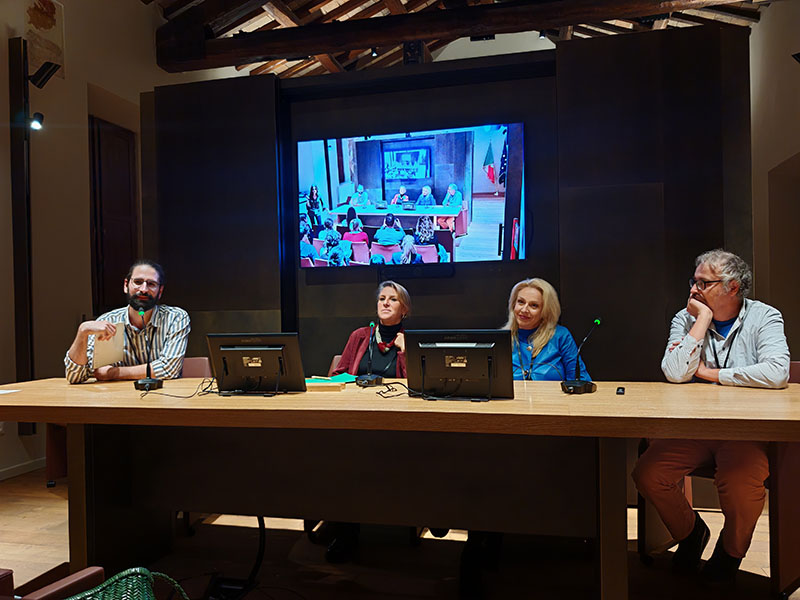
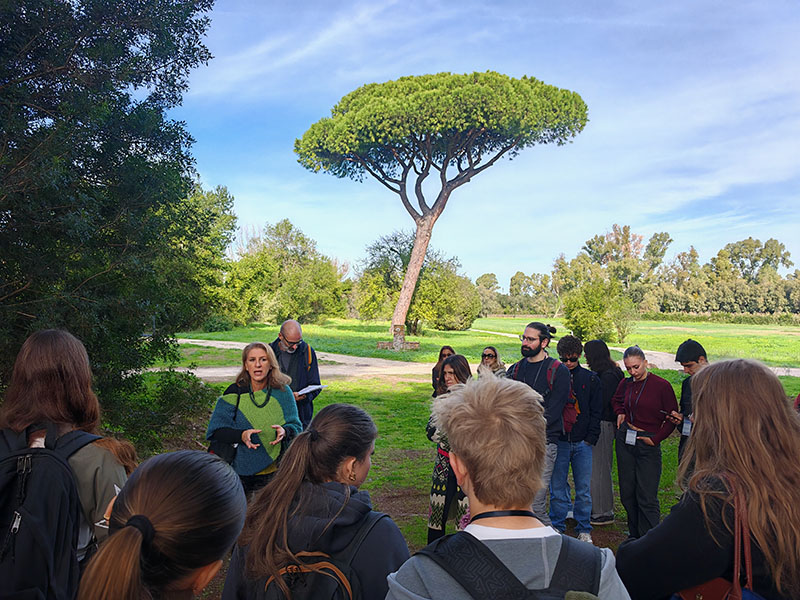
Representatives of the Institute of Archaeology participated in the second international Intergenerational Climate Conversation, held on 27–28 October 2026 at the Archaeological Park of Ostia Antica (Italy). The event brought together cultural heritage professionals, researchers, environmental experts, and young participants from various European countries to exchange experiences and develop new approaches to adapting cultural heritage to climate change.
The event was organised within the framework of the European Heritage Hub, an initiative funded by the European Union, in cooperation with ICLEI Europe, Europa Nostra, Youth.Heritage.Europe., and the European Heritage Label Bureau. Particular emphasis was placed on intergenerational dialogue and the active involvement of young people in addressing the challenges that climate change poses to cultural heritage, as well as in developing potential solutions for its long-term protection.
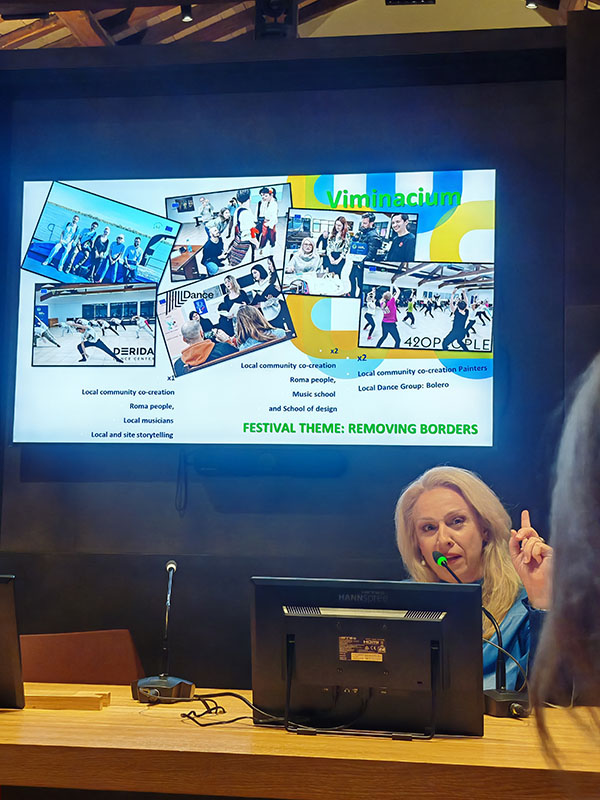
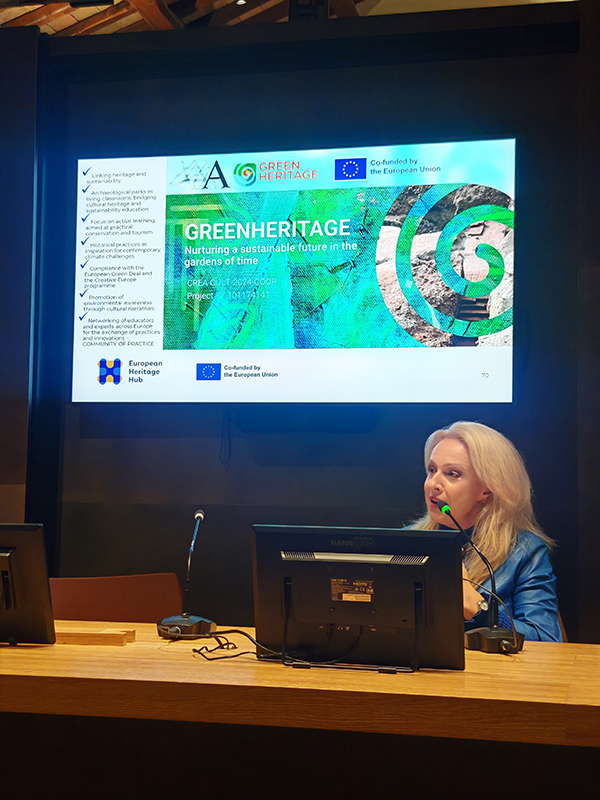
The Institute of Archaeology was represented by Dr Jelena Anđelković Grašar, who presented the Viminacium Archaeological Park as a significant example of Serbia’s archaeological heritage, highlighting the importance of addressing climate-related and environmental challenges in the management and preservation of archaeological sites.
A dedicated part of her presentation focused on the international GreenHeritage project, supported by the European Union’s Creative Europe Programme and coordinated by the Institute of Archaeology. She presented the project’s objectives and activities aimed at connecting cultural heritage, sustainability, and education, with particular emphasis on engaging younger generations in understanding the importance of preserving cultural heritage and the environment. A part of the presentation was dedicated to other projects of the Institute, including Dancing Histor(y)ies, supported by the Creative Europe Programme of the European Union, as well as Dig4XP, developed through SAIGE (Serbia Accelerating Innovation and Growth Entrepreneurship) Project of the Ministry of Science, Technological Development and Innovation of the Republic of Serbia, as well as other innovative projects of the Institute of Archaeology.
Among the results presented, Viminacium Minecraft attracted particular attention. This innovative digital learning environment enables young people to explore the archaeological heritage of Viminacium through play, discovery, and interactive learning, while encouraging them to reflect on its sustainable future. This example demonstrated how modern digital technologies can contribute to developing new approaches to education about cultural heritage and climate change.
Throughout the two-day programme, participants explored various challenges related to preserving cultural heritage in the context of climate change through presentations, discussions, study visits, and interactive workshops. Particular emphasis was placed on the importance of international cooperation, the exchange of good practices, and the involvement of young people in decision-making processes concerning the future of cultural heritage.
The Institute of Archaeology’s participation in this event provided an opportunity to promote Viminacium and the results of the GreenHeritage project internationally, while also exchanging knowledge and experiences with European partners working on sustainability, climate resilience, and contemporary approaches to heritage interpretation.
The event once again highlighted the importance of connecting scientific research, education, and modern technologies, as well as the need to actively involve younger generations in shaping a sustainable future for cultural heritage.
For more information about the event, please visit:
Second Intergenerational Climate Conversation at the Archaeological Park of Ostia Antica – European Heritage Hub