
NEW ARCHAEOLOGICAL DISCOVERIES AT THE ROMAN SITE OF CUPPAE IN GOLUBAC
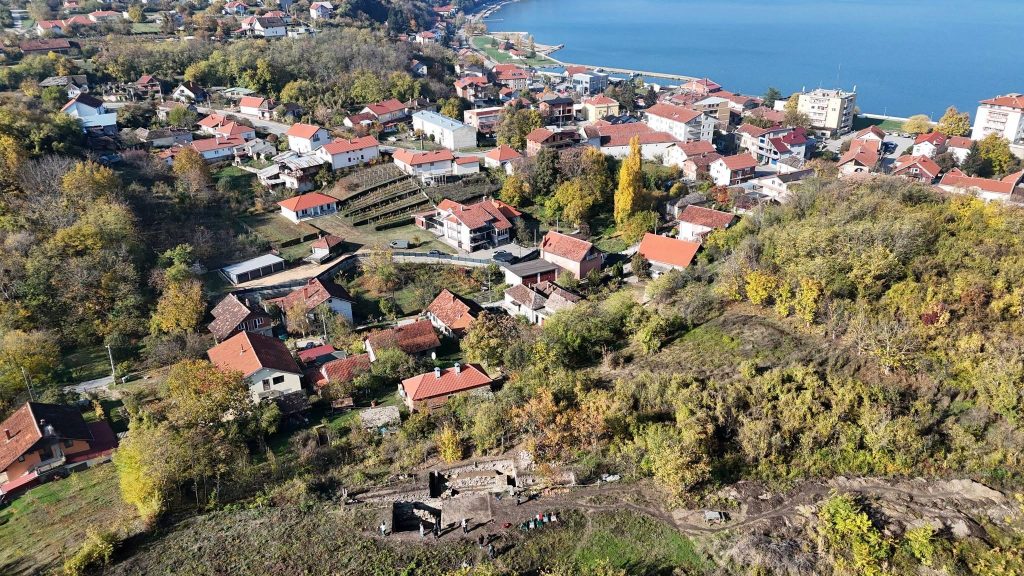
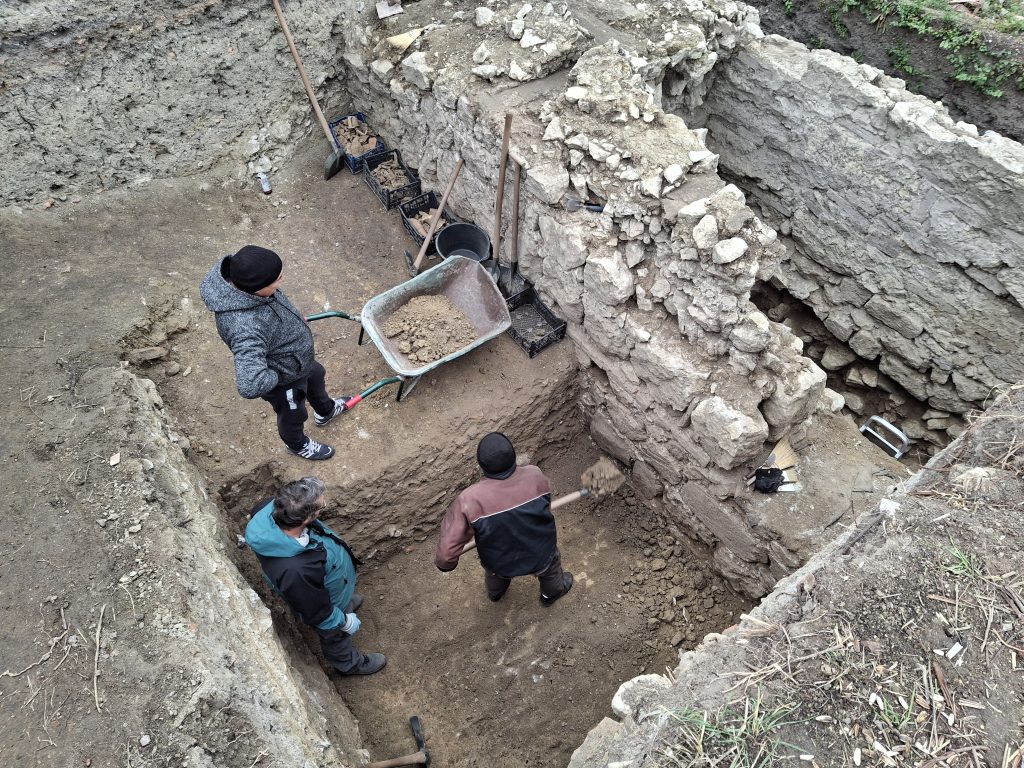
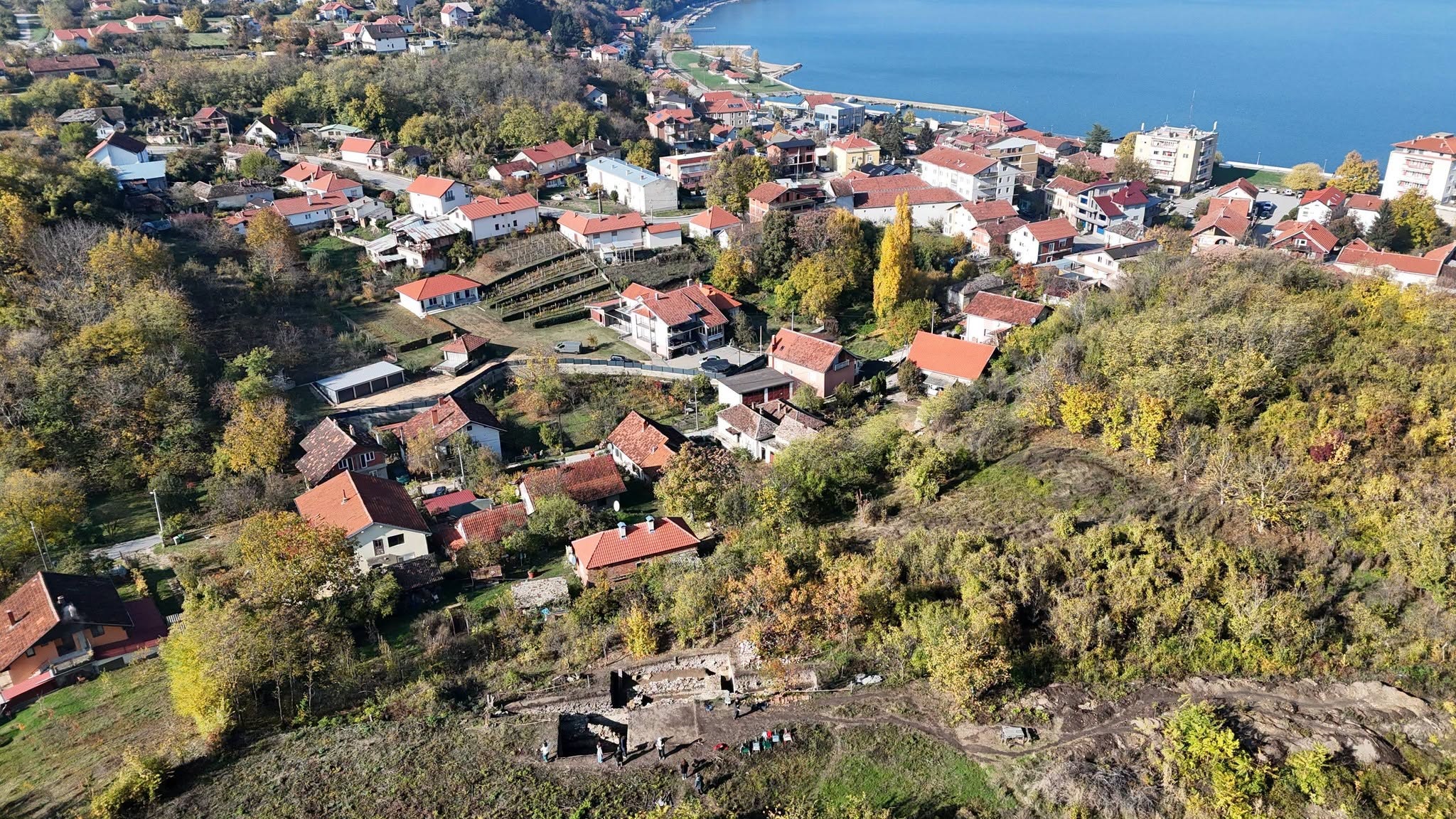
Systematic archaeological excavations continued this year at the Roman fortress of Cuppae in Golubac, an important archaeological site in the Lower Danube region and along the Roman Danube Limes.
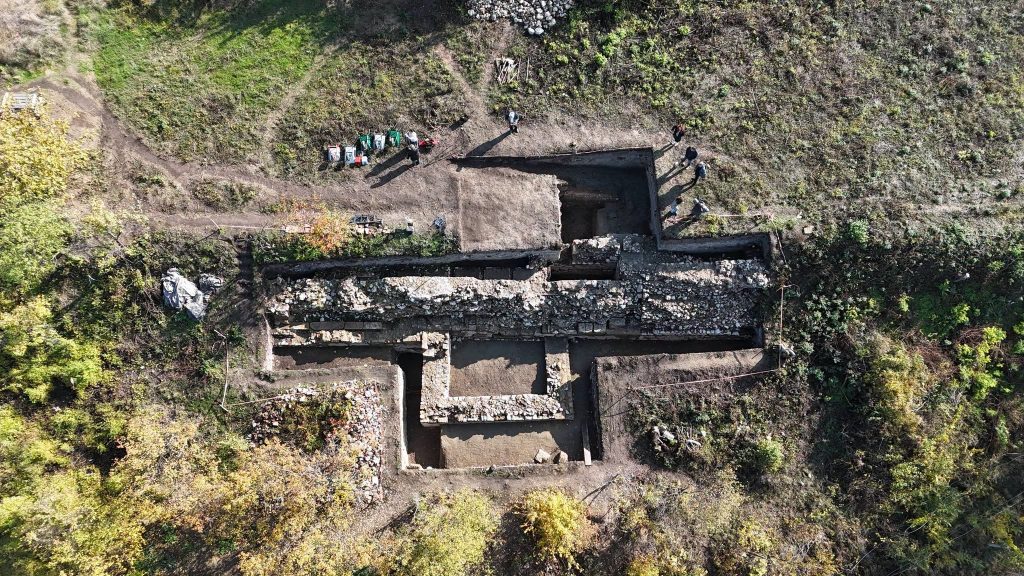
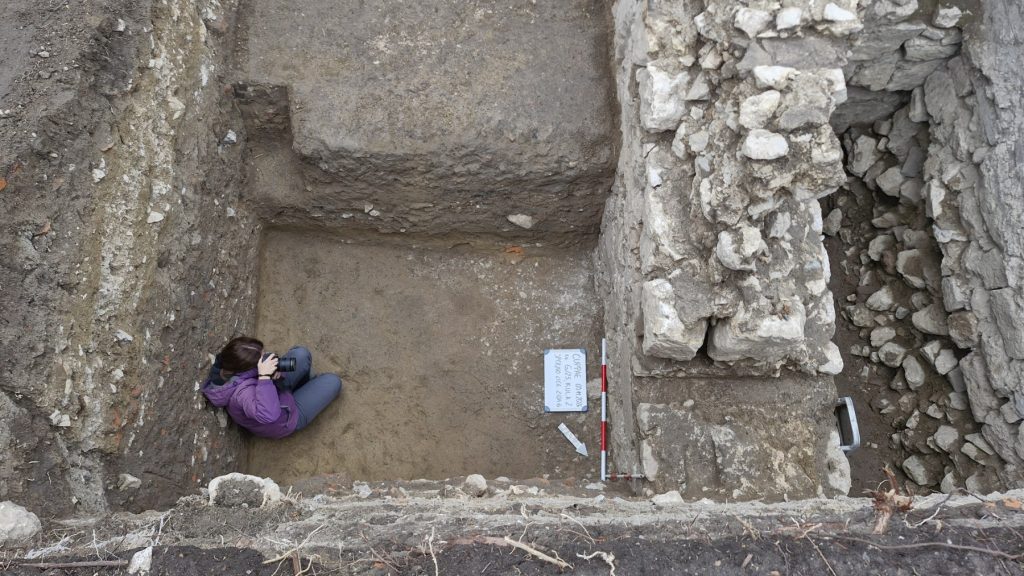
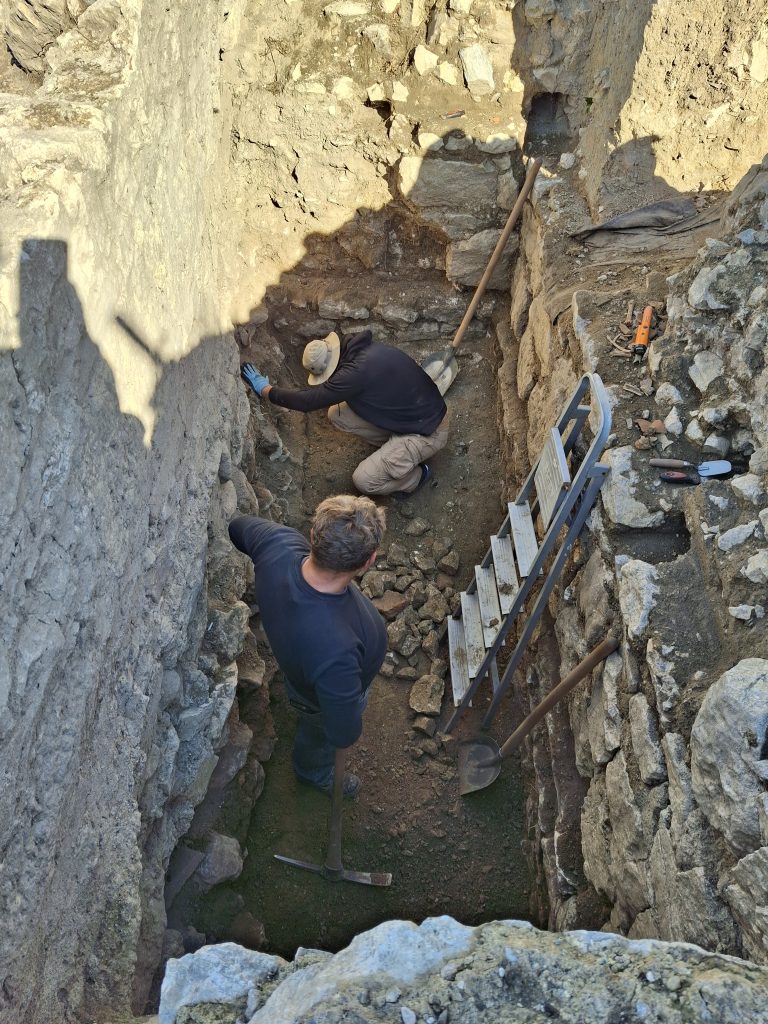
The excavations, which began in 2025, have focused on the western part of the fortress, where the remains of monumental Roman architecture have been uncovered. The discovery of the massive western defensive wall, with masonry preserved up to four metres in height, part of an inner tower belonging to an earlier construction phase, and a later tower dating to Late Antiquity, provides valuable insights into the fortress’s architecture, construction phases, and development, contributing to a better understanding of its role in the defensive system along the Danube frontier of the Roman Empire.
The excavations have made it possible to preliminarily establish that the fortress was built in the 2nd century AD, while its latest construction phase, represented by a projecting tower dating to the 4th century AD, has been fully investigated. Numerous portable archaeological finds indicate that life at the site continued well beyond this period, until the 6th century AD.
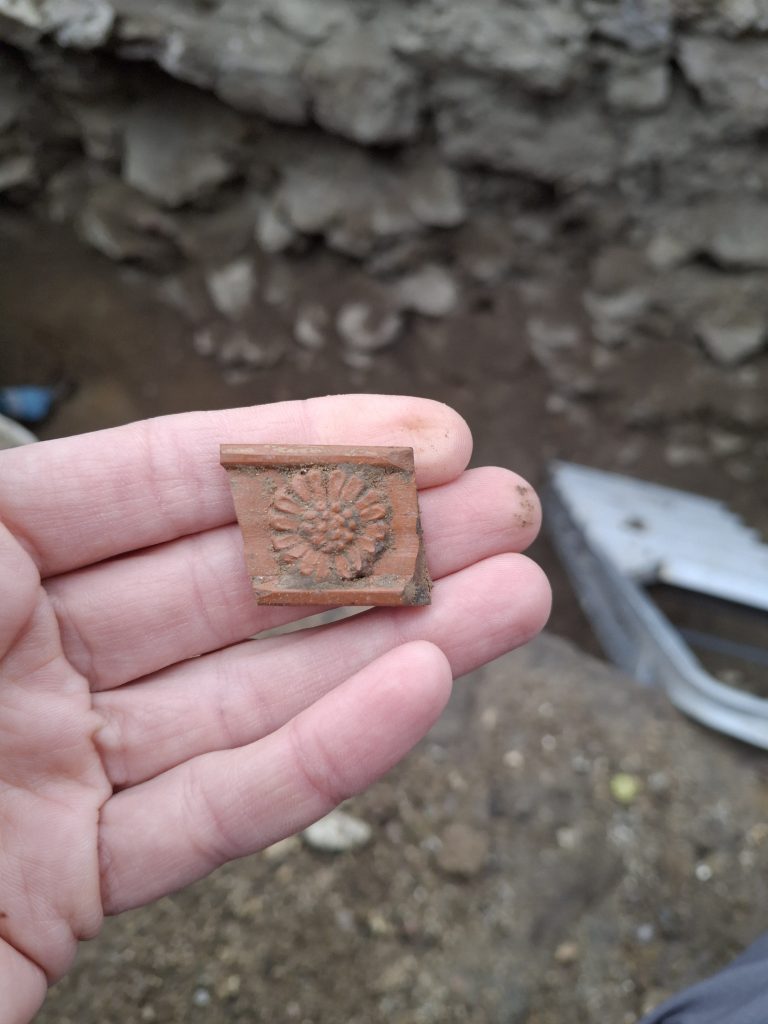
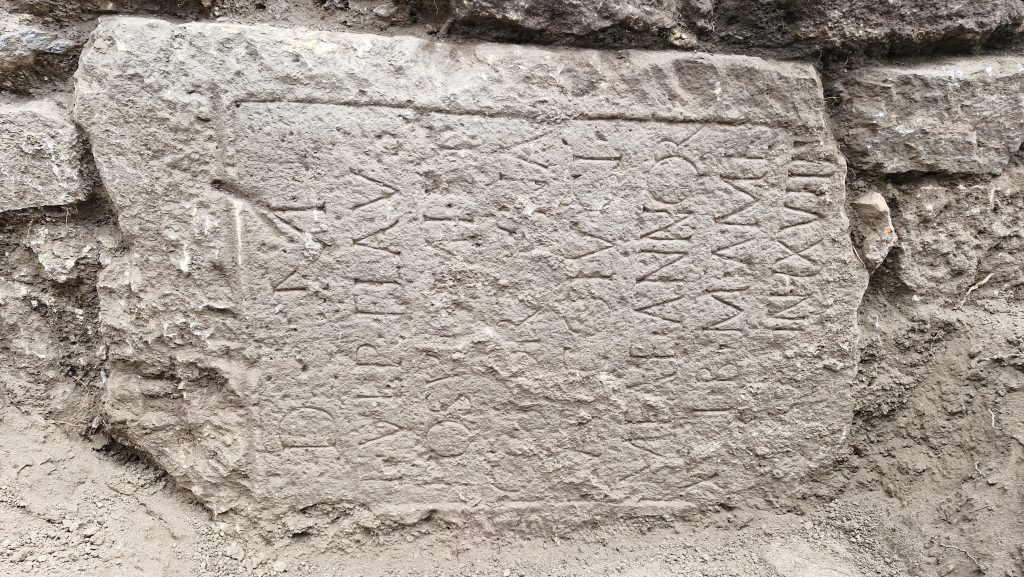
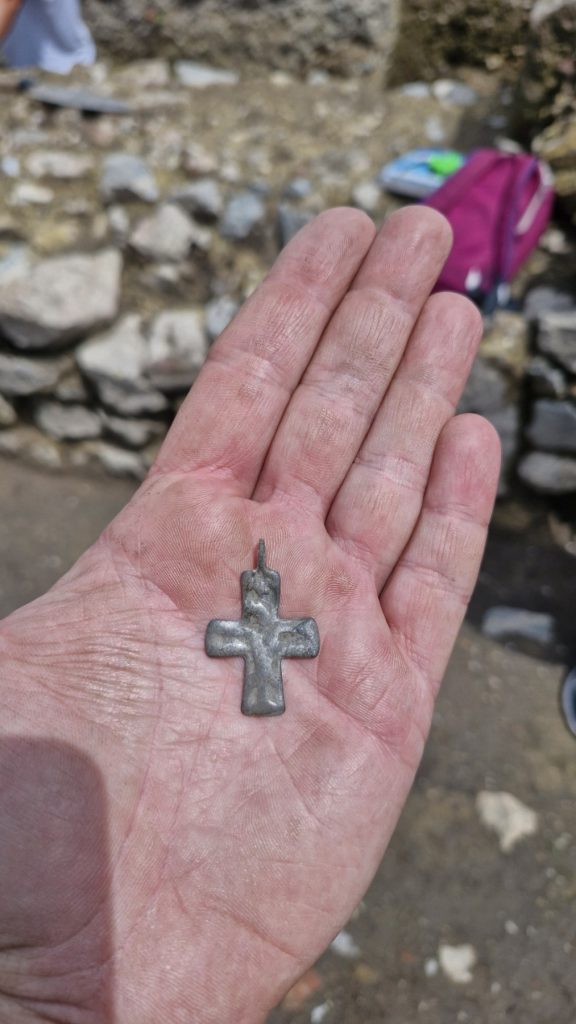
The excavations have also yielded several hundred significant archaeological finds, ranging from fragments of ceramic vessels and various bone objects to Roman bricks bearing animal footprints and artillery projectiles. Among the most remarkable discoveries, however, are a funerary monument bearing the name of Titus Ulpius Flavius, the first known inhabitant of ancient Golubac to be identified by name, and a small cross-shaped pendant associated with the latest phase of occupation at the site.
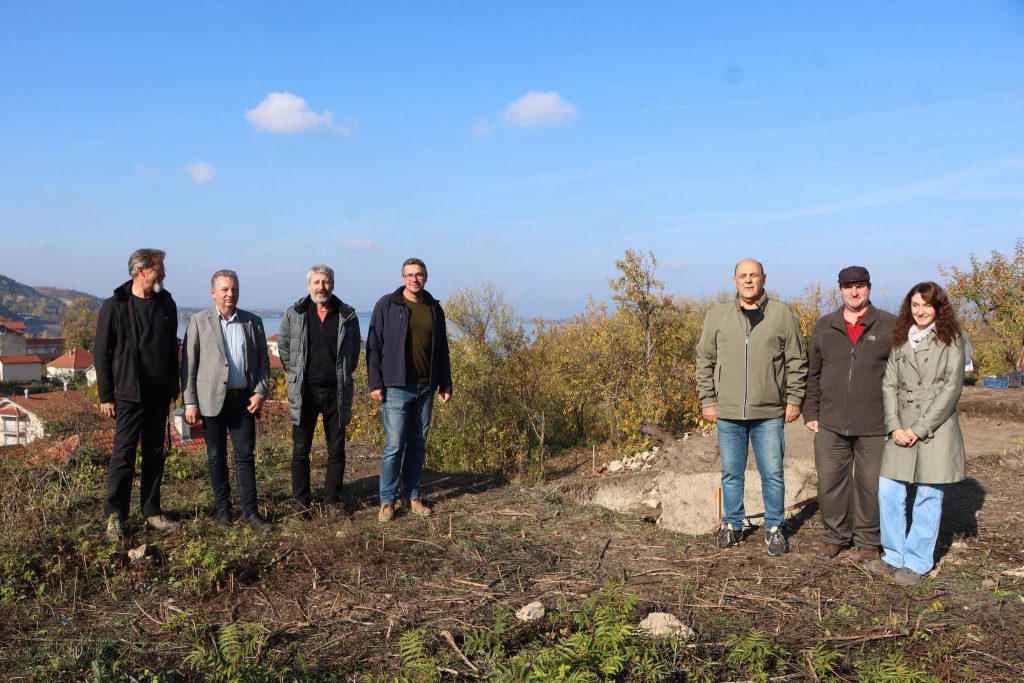
The archaeological excavations are directed by Dr Milica Marjanović of the Institute of Archaeology and Saša Živanović of the National Museum in Požarevac. The excavation team also includes Dr Mladen Jovičić, Dr Ljubomir Jevtović, and Petar Kojadinović, MA, archaeologists from the Institute of Archaeology.
The research is being carried out through cooperation between the Institute of Archaeology, the Municipality of Golubac, the National Museum in Požarevac, and the Regional Institute for the Protection of Cultural Monuments in Smederevo, with financial support from the Municipality of Golubac and the Ministry of Culture of the Republic of Serbia.
The archaeological investigations at Cuppae are also part of broader activities related to the nomination of the Roman Limes for inscription on the UNESCO World Heritage List, further highlighting the importance of this site within the context of Roman heritage along the Danube.
Beyond its scientific significance, the continuation of archaeological research represents an important step towards the development and presentation of the site and the establishment of a modern archaeological park that would make this exceptional heritage accessible to researchers, tourists, and the wider public. Together with Golubac Fortress, Tumane Monastery, Đerdap National Park, and the Danube River, the Roman fortress of Cuppae has the potential to become an important part of a unique cultural and historical route, connecting archaeological heritage, medieval history, spirituality, and the natural beauty of the region.
The new discoveries in Golubac once again confirm the exceptional archaeological potential of the Serbian Danube region and the importance of continuous scientific research for the preservation, understanding, and contemporary presentation of cultural heritage.