
New Interpretive Features at the Viminacium Museum – Step into the Everyday Life of the Romans!
The Museum of the Institute of Archaeology at Viminacium has been enriched with new interpretive features that bring the everyday lives of the inhabitants of the Roman city closer to visitors in an engaging and immersive way.
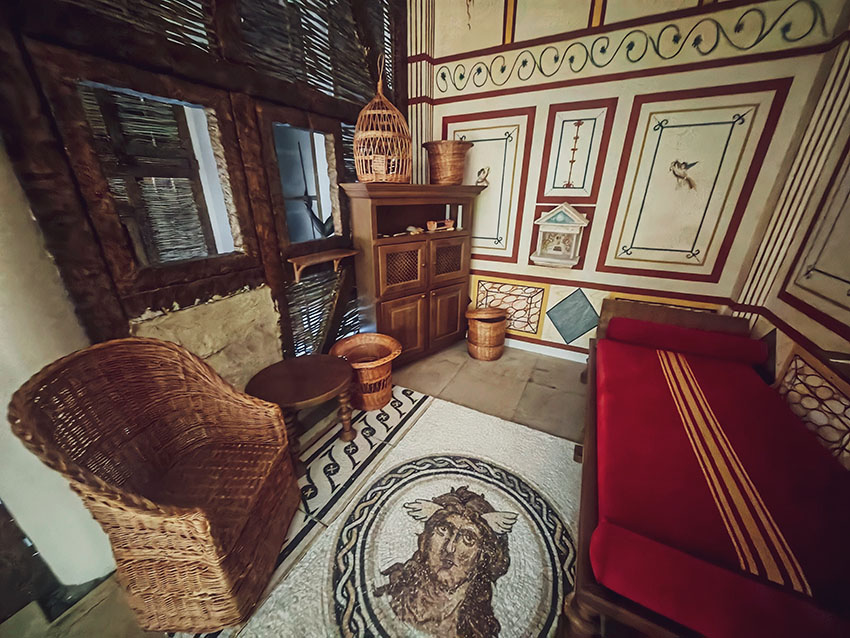
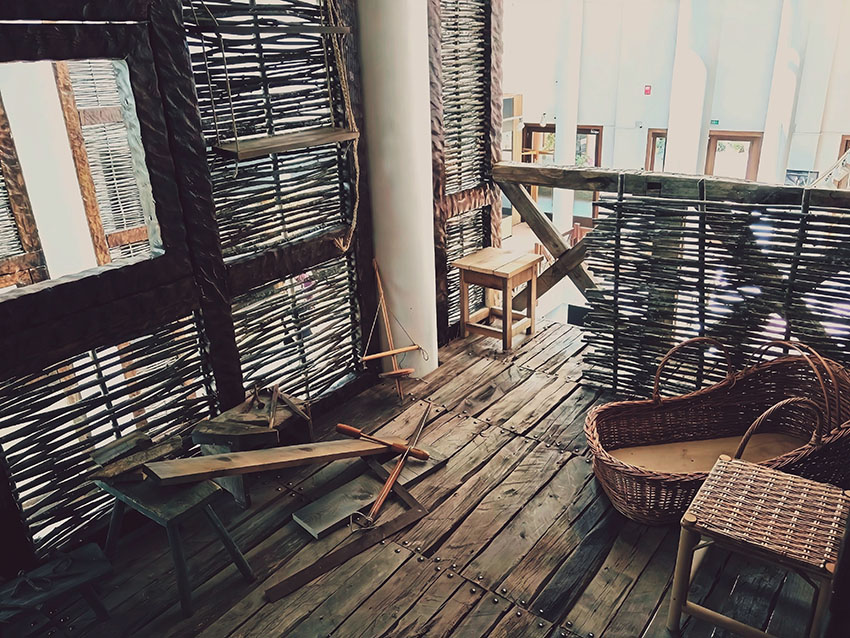
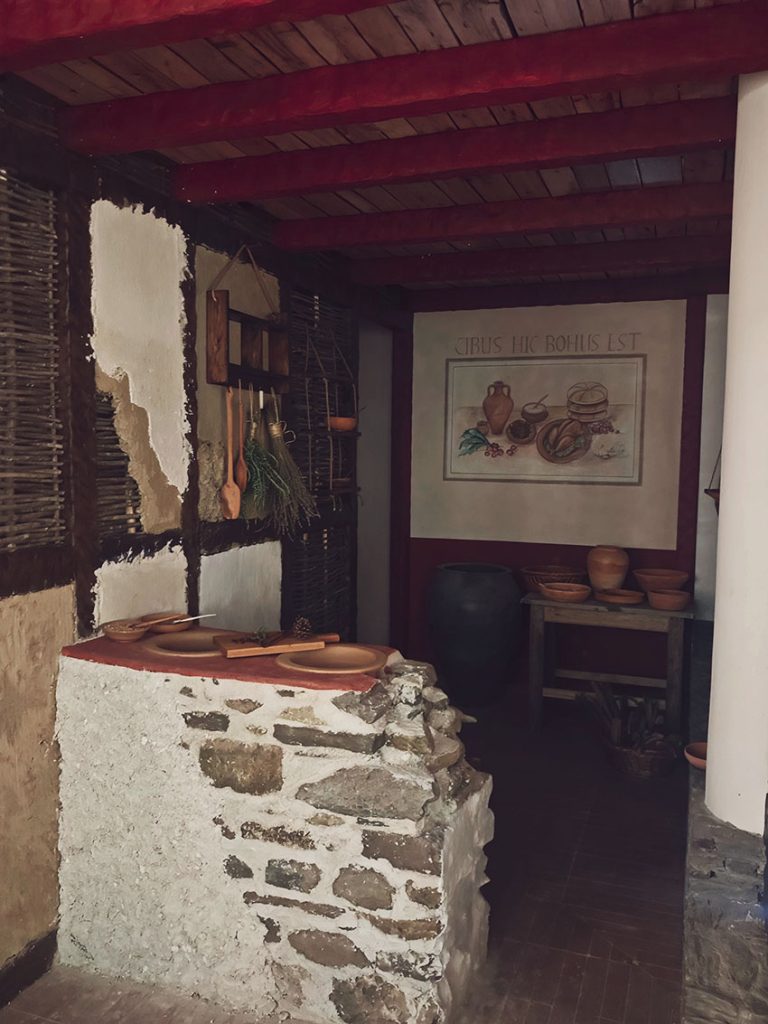
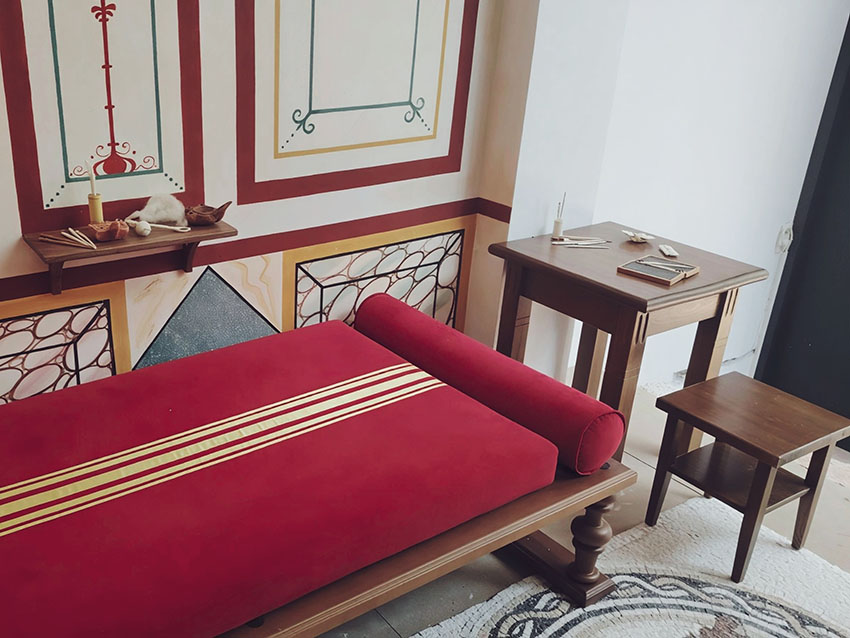
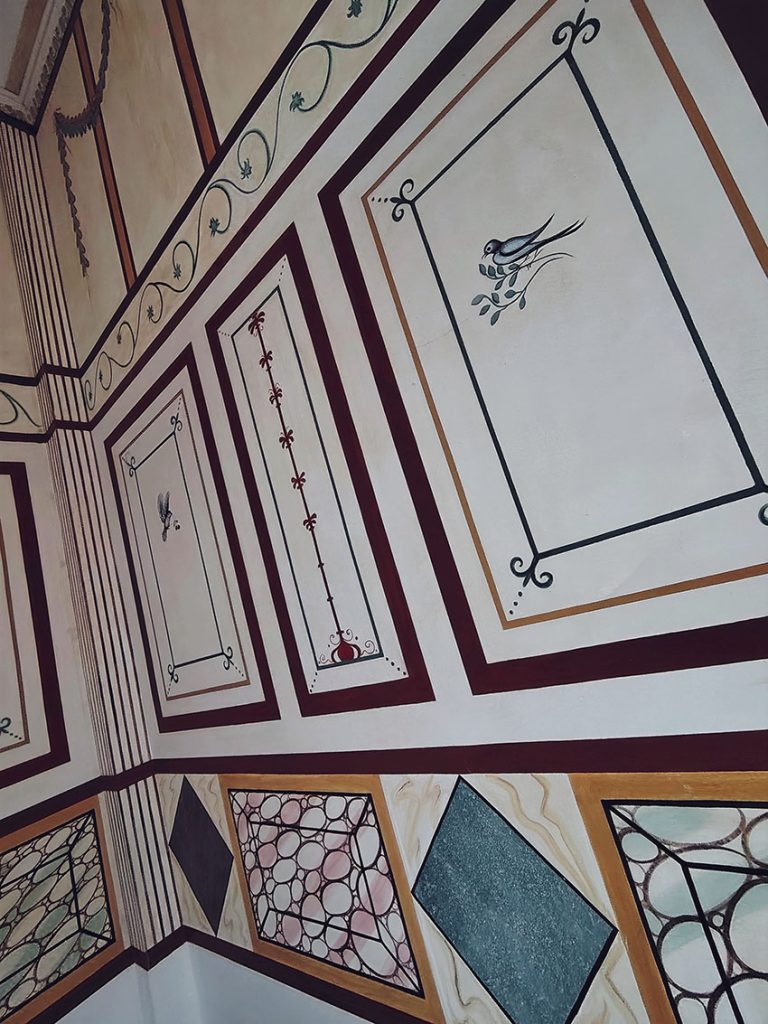
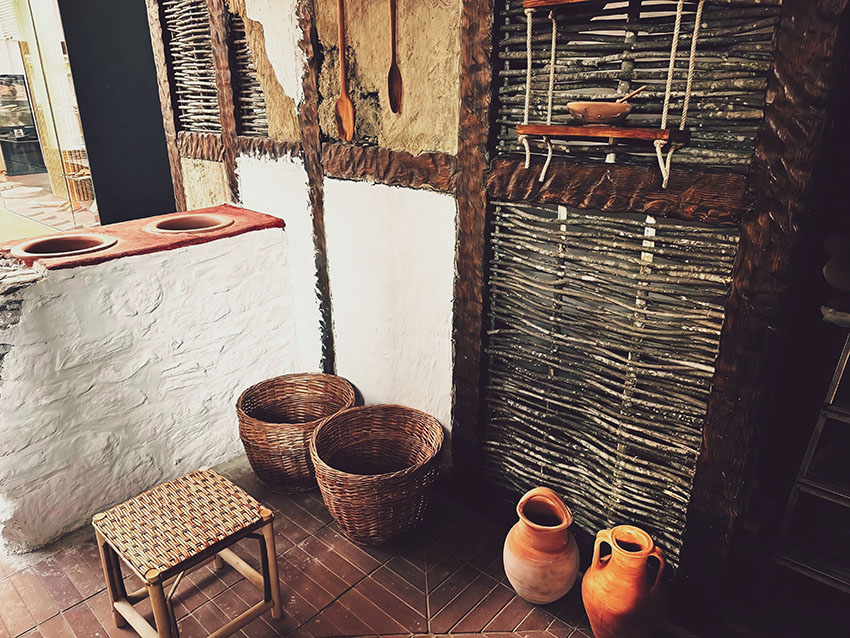
What did the home of a Roman matron look like? What was served in a thermopolium, the Roman equivalent of a fast-food shop? How did a modest family live in the upper floor of an insula, a Roman apartment building? The answers to these questions can now be discovered through three newly created museum settings, carefully reconstructed on the basis of archaeological evidence and the latest scientific research.
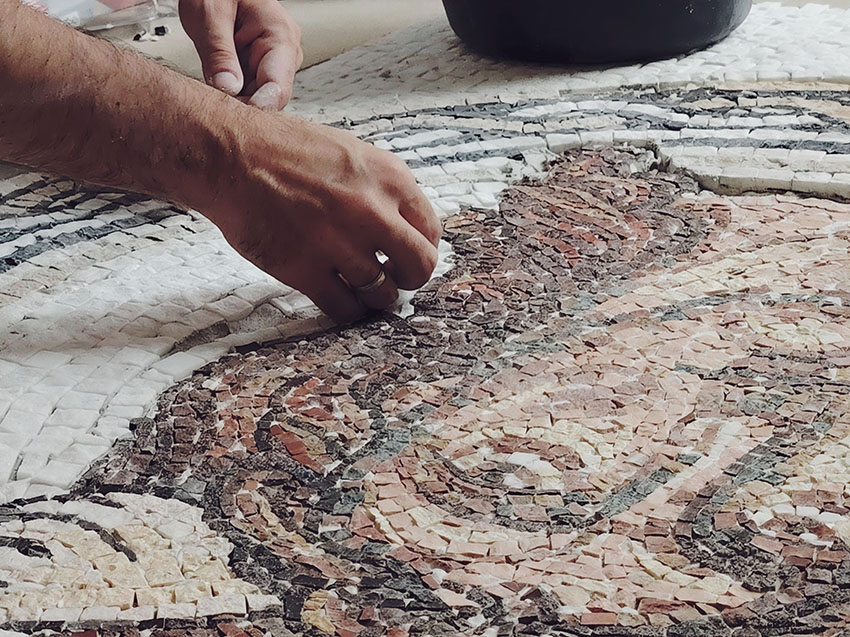
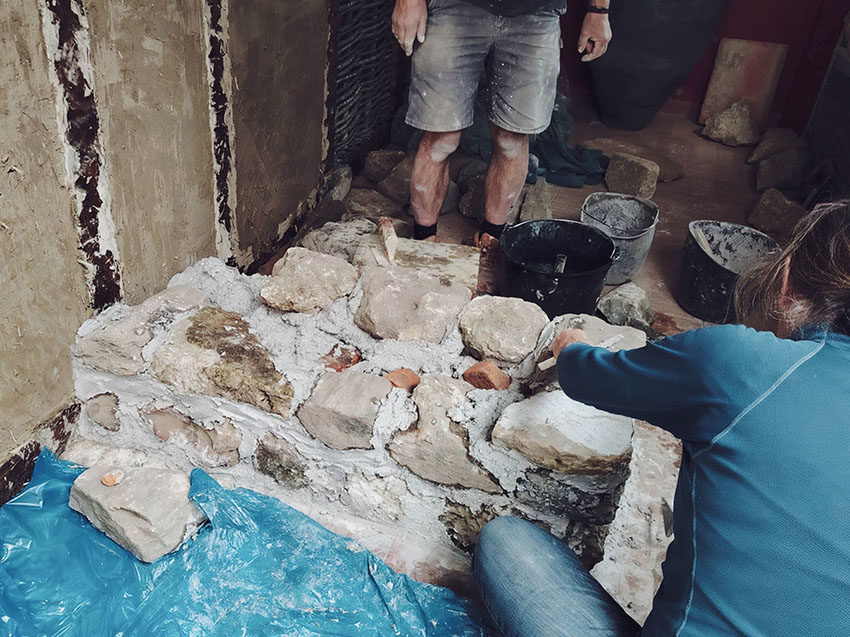
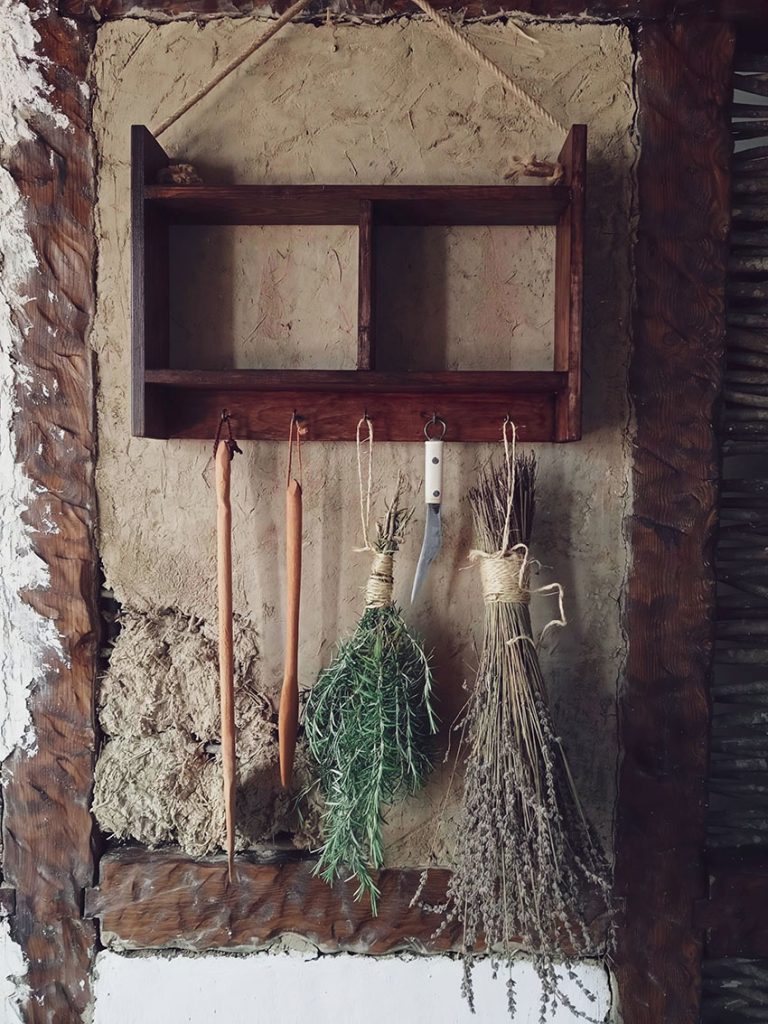
In addition to exploring authentic stories about housing in the Roman period, visitors can learn how building materials used in Viminacium were produced, discover traditional construction techniques using local raw materials, see replicas of Roman artefacts, and gain insight into the crafts that shaped everyday life in the wider Viminacium area for centuries. The project aims to encourage visitors to reflect on the transmission, development, and continuity of technologies and craftsmanship throughout history.
This is only the beginning. The revitalisation of the museum spaces and the development of new interpretive experiences will continue in the coming period, ensuring that every visit to Viminacium offers a new perspective and a new journey through time.
The project was made possible through the dedication of numerous researchers from the Institute of Archaeology, as well as conservators, artists, craftspeople, and master builders: Ljubomir Jevtović, Nigel Copsey, Stefan Stančić, Dragana Gavrilović, Vidan Dimić, Kristina Ponjavić Višnjić, Alison Henry, Ilija Danković, Angelina Raičković Savić, Vladan Arsić, Nebojša Bobić, Jelena Anđelković Grašar, Ivan Bogdanović, Zoran Lazić, Bebina Milovanović, Željko Jovanović, Nemanja Mrđić, Petar Kojadinović, Bojana Zorić, Igor Milošević, Snežana Golubović, and Miomir Korać, together with Pan Enterijer, Linea Plus, Sokoplet Farm, and the Ćirić family. The project was led by Emilija Nikolić.
We extend our sincere gratitude to all of them for their expertise, dedication, and enthusiasm, as well as to Dubravka Tomić, the staff of the Viminacium Centre for New Technologies, and the administration of the Institute of Archaeology for their invaluable support throughout the project.
The project was funded by the Ministry of Culture of the Republic of Serbia.