
Serbian–Slovak Bilateral Project: Research of Cultural Contacts along the Danube Corridor
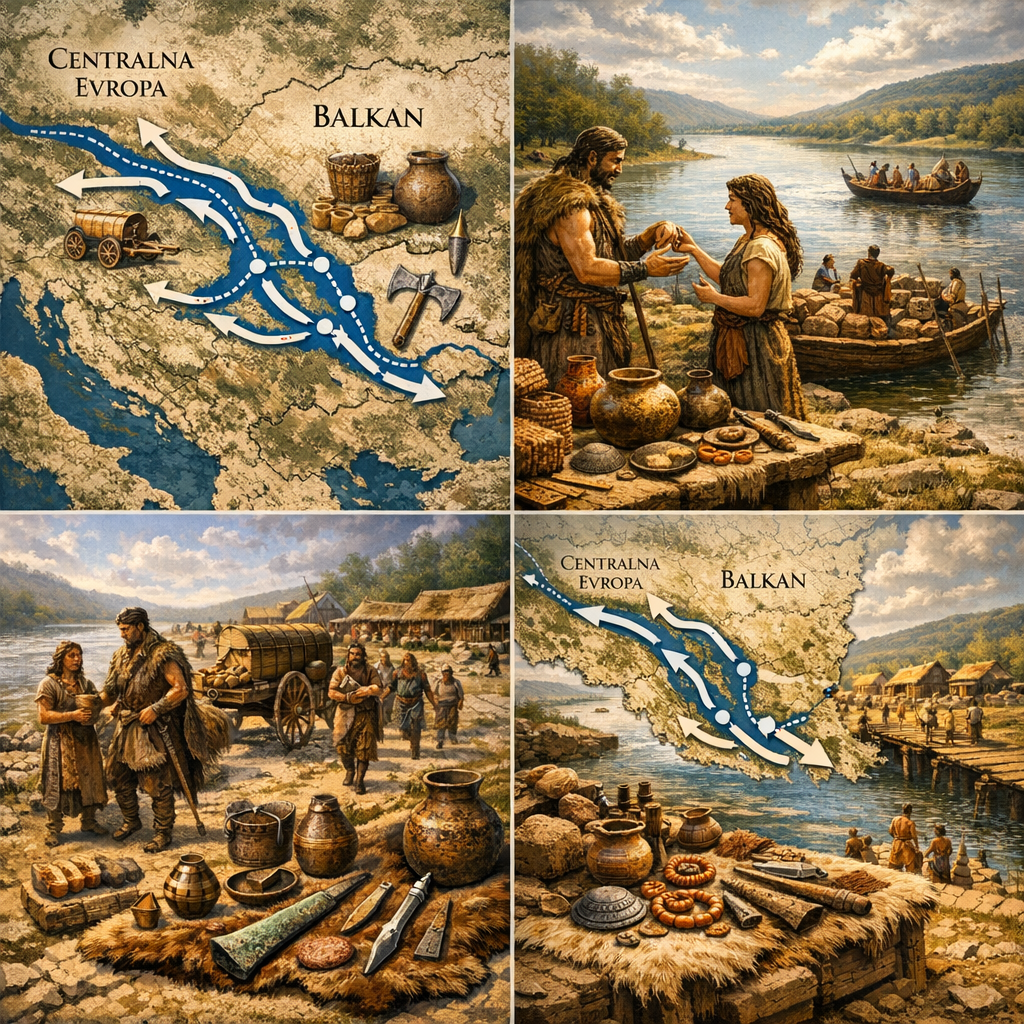
Within the framework of international scientific cooperation, Dr Vojislav Filipović, on behalf of the Institute of Archaeology, is implementing a bilateral project between Serbia and Slovakia focused on the study of cultural contacts, communication routes, and long-distance trade from prehistory to the 12th century AD. The project focuses on the analysis of key communication corridors, primarily the

INNOVABLUE–ROBONETCBC WORKSHOP IN PODGORICA
Dr Nemanja Mrđić represented the Institute of Archaeology in the INNOVABLUE–ROBONETCBC workshop, held on 26 March in Podgorica (Montenegro). The workshop gathered around 50 participants from 8 countries, who worked collaboratively to develop initial concepts in the field of blue technologies, fostering innovation and international cooperation. The participation of the Institute of Archaeology contributed to the exchange of
DANCING HISTOR(Y)IES – NEWSLETTER 12
Dear colleagues and friends, With the release of Dancing Histor(y)ies Newsletter #12, we bring to a close a three-year journey of collaboration, creativity, and shared experiences across Europe. Through festivals, workshops, and video diaries, the project has connected artists, local communities, and cultural heritage — leaving behind a rich and living archive of stories, moments, and collaborations. We would
INSTITUTE OF ARCHAEOLOGY AT THE CREATIVE EUROPE FORUM
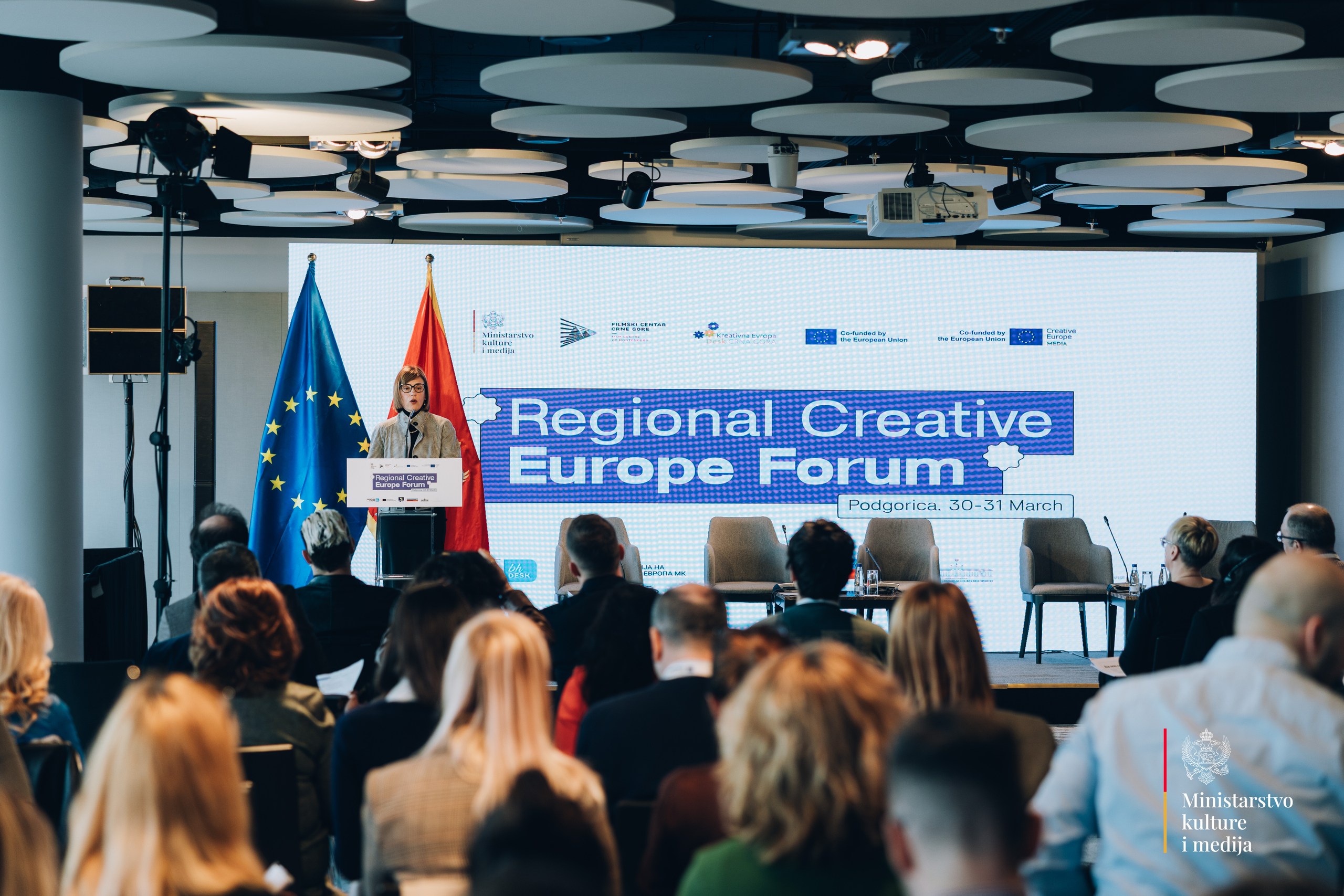
Dr Jelena Anđelković Grašar, representing the Institute of Archaeology, participated in the Regional Creative Europe Forum, held on 30–31 March 2026 in Podgorica (Montenegro). Within the session “Creative Europe: Success stories – how to develop successful projects,” dedicated to successful projects funded through the Creative Europe programme, Dr Anđelković Grašar presented the Dancing Histor(y)ies project as an
DANCING HISTOR(Y)IES – NEWSLETTER 11
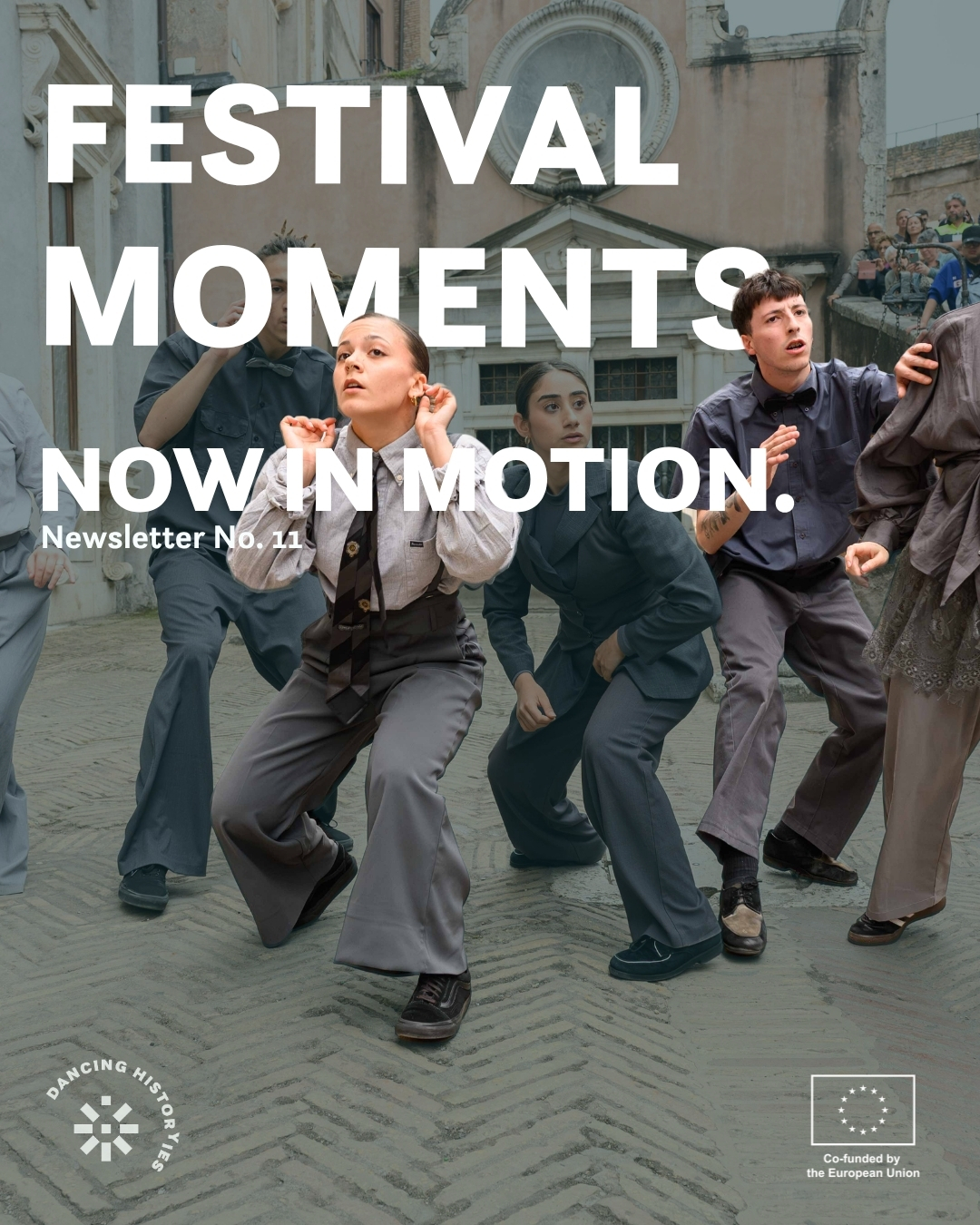
The latest edition of the Dancing Histor(y)ies Newsletter (#11) is now available, offering a closer look into the 2025 co-creation journey that transformed heritage sites across Europe into living stages. This issue introduces a curated video playlist documenting the full creative process—from initial workshops and first encounters between artists and local communities, to the development of performances
DANCING HISTOR(Y)IES – MINI CLIPS SERIES
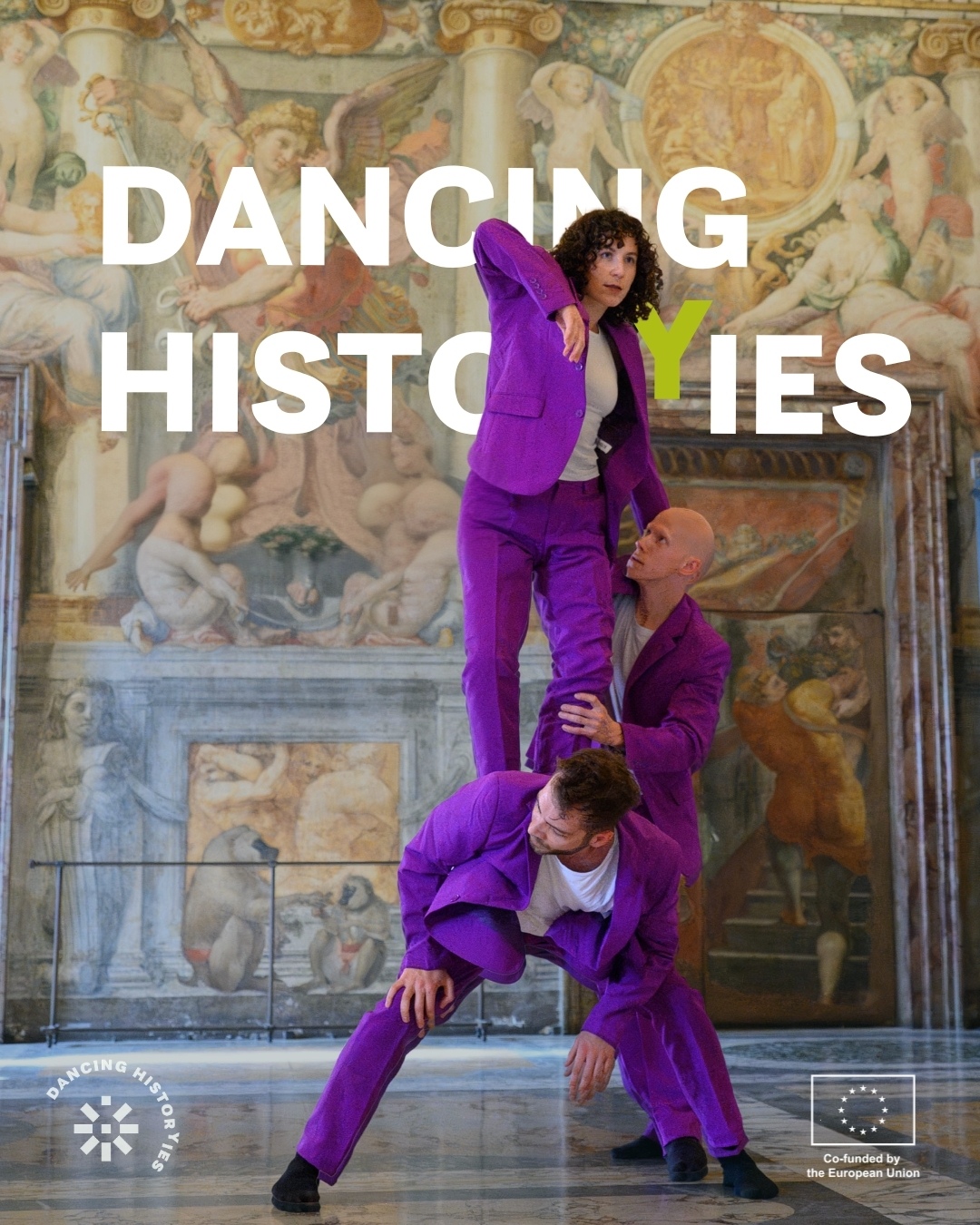
We are excited to announce the launch of a new series of Dancing Histor(y)ies Mini Clips, offering a vibrant glimpse into the creative journey of festivals and co-creation processes developed across Europe! This dynamic series brings together the work of key project partners — Institute of Archaeology (Serbia), Consorcio de la Ciudad Monumental Histórico-Artística y Arqueológica de

Open Call for Participation in IMEKO MetroArchaeo 2026 – Special Session on Digital Heritage
Welcome to our Call for Papers – Special Session #03 Digital Archaeological Heritage for the Education of New Generations Dear Colleagues, We would like to encourage researchers, heritage professionals, educators, site and museum managers, practitioners, digital specialists and community representatives to submit their abstract/paper to Special Session #03 Digital Archaeological Heritage for the Education of New Generations to

The GreenHeritage Community of Practice is launched to connect heritage and sustainability at the international level
The European project GreenHeritage – Nurturing a Sustainable Future in the Gardens of Time (ID: 101174141), has launched the GreenHeritage Community of Practice (CoP), an international network created to connect professionals, researchers and institutions working at the intersection of cultural and natural heritage, environmental sustainability and climate resilience. The community aims to foster knowledge exchange, interdisciplinary collaboration

DANCING HISTOR(Y)IES – NEWSLETTER 10
The latest edition of the Dancing Histor(y)ies Newsletter (#10) has been released, bringing a new wave of activities, collaborations, and reflections from across Europe. This issue highlights a series of recent events where the Dancing Histor(y)ies model continues to connect cultural heritage, contemporary dance, and community engagement. Among them is the participation in the CREA Cultura Festival

DANCING HISTOR(Y)IES FINAL EVENT IN BELGRADE
On 6 March 2026, the final dissemination event of the Dancing Histor(y)ies project in Serbia took place at KC Grad in Belgrade, organized by the Institute of Archaeology and Viminacium Archaeological Park. The evening brought together project partners, cultural professionals, artists, and members of the local community to reflect on three years of collaboration connecting heritage, contemporary