
Transfer of knowledge in Viminacium
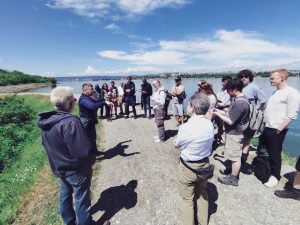
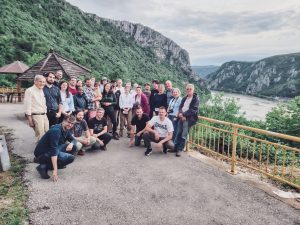
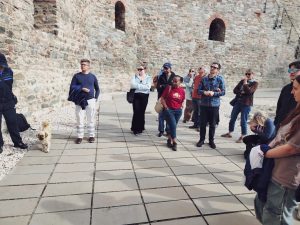
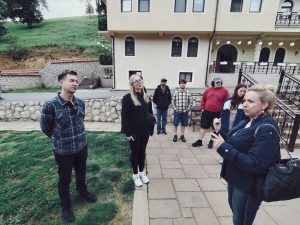
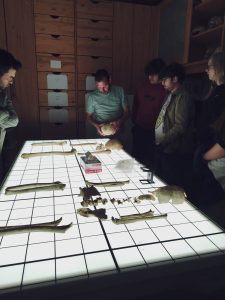
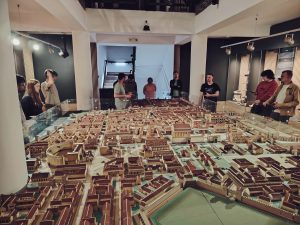
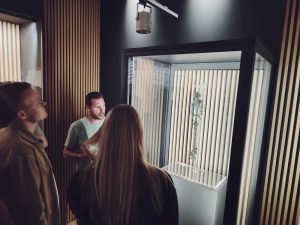
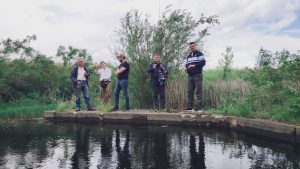
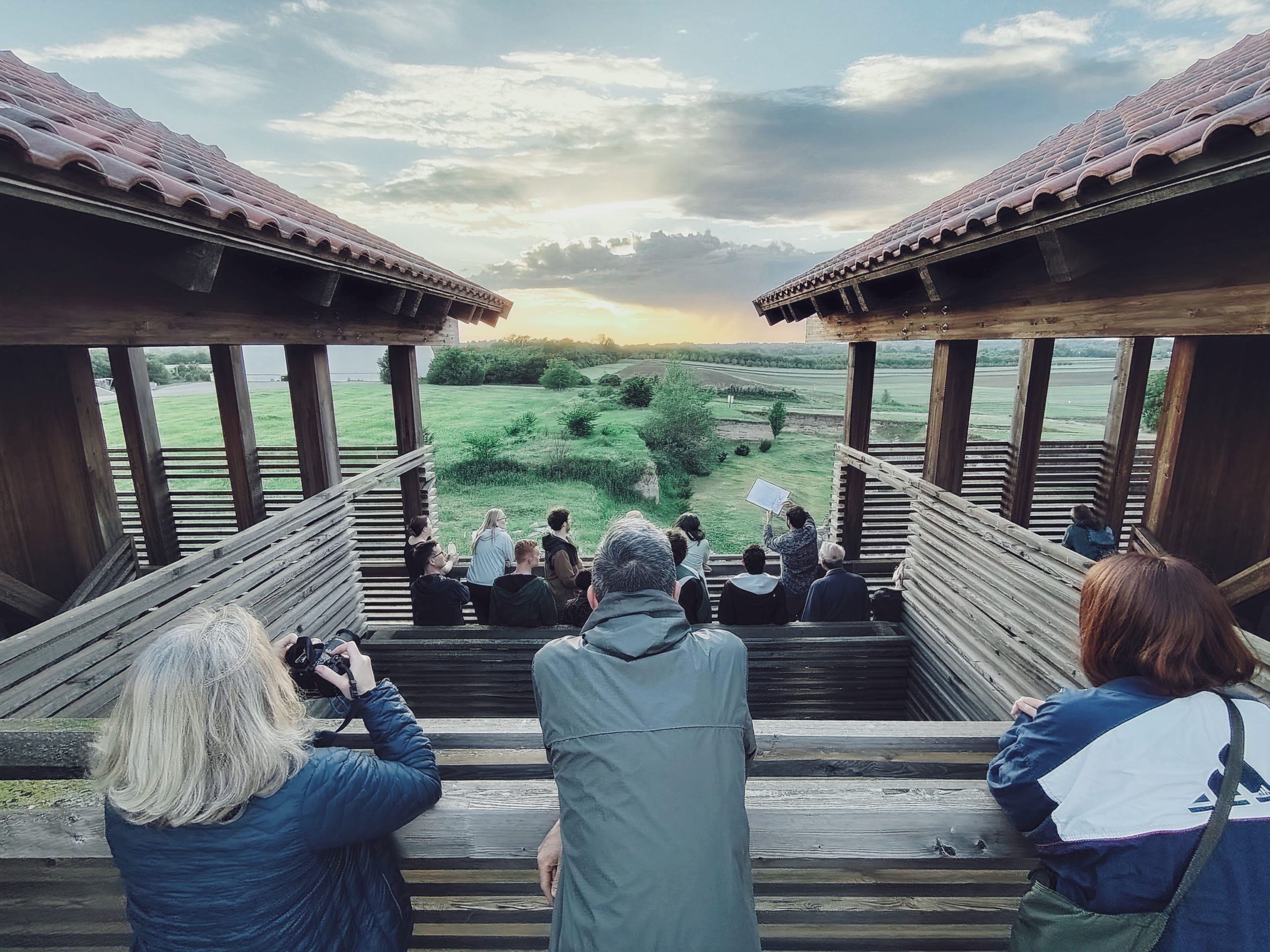
From 11 to 15 May, as part of the knowledge and technology transfer process of the Institute of Archaeology and the expansion of the Community of Practice within the GreenHeritage project (Creative Europe) coordinated by our Institute, researchers, experts, professors, and students from England, Italy, and the USA gathered in Viminacium.
We had the honour to host and share knowledge with distinguished professors from the University of Cincinnati: Lynne Lancaster, one of the world’s leading experts on Roman architecture, and Professor Emeritus Thomas Carpenter; professors from the University of Padua: Michele Secco and Simone Dilaria, among the most prominent researchers of Roman mortars and historical building materials; as well as renowned British experts in architectural conservation and collaborators of Historic England organisation: Nigel Copsey, Alison Henry, and Maria Elena Calderon.
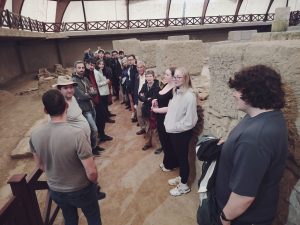
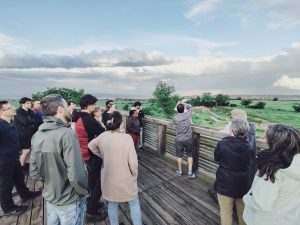
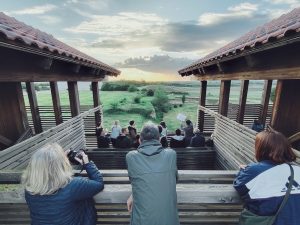
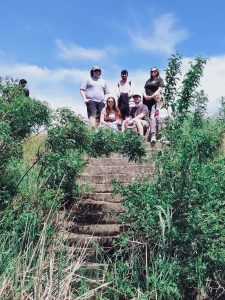
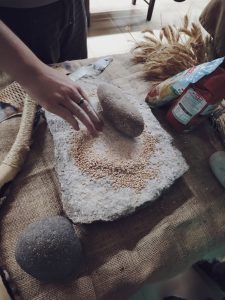
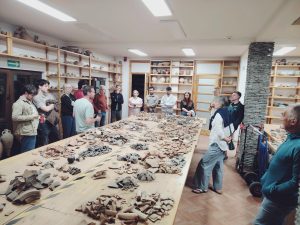
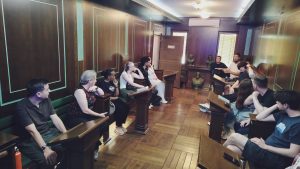
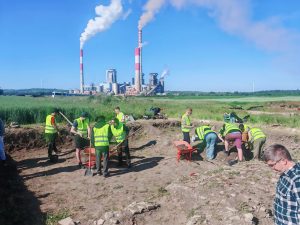
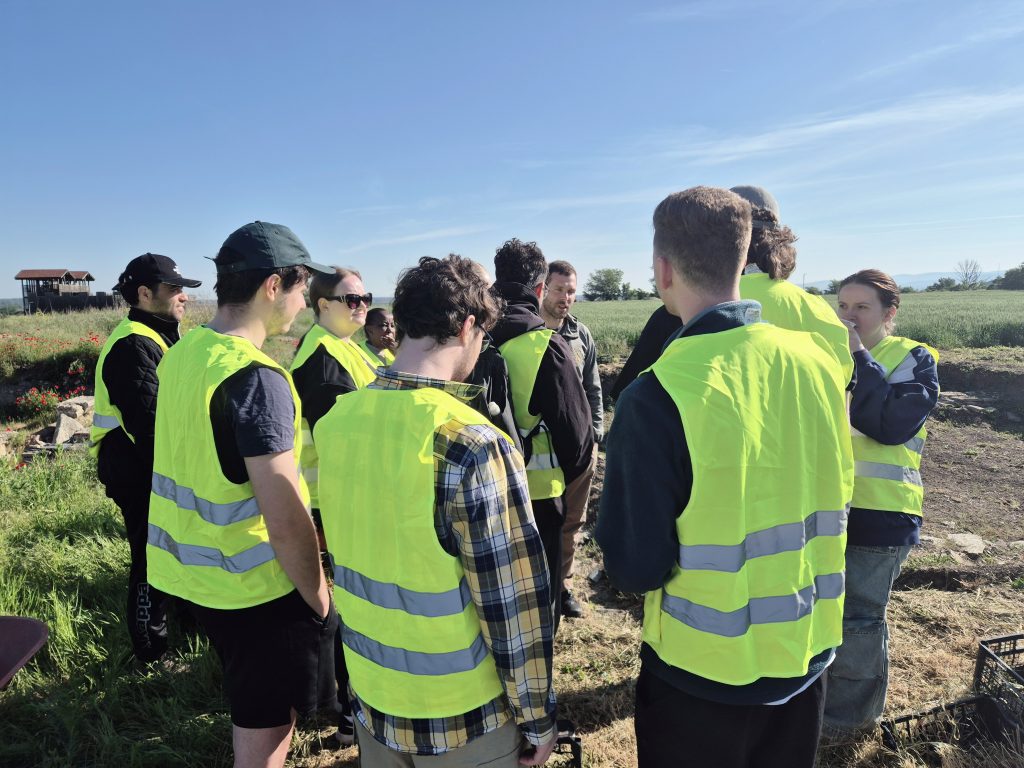
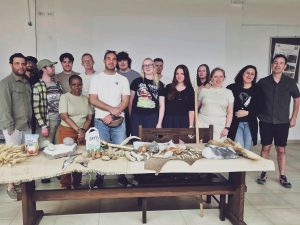
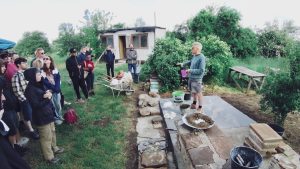
We were especially honored by the wonderful students of architecture, archaeology and history of the Master’s program Sustainable Heritage Management of the School of Architecture of the prestigious University of Liverpool, led by their enthusiastic professors, Ataa Alsalloum and Nick Webb. The students gained valuable experience and knowledge in Viminacium, related to the methodology of archaeological excavations, the history of technology, life in the Neolithic, traditional mortar preparation techniques, digital technologies in archaeology, Roman cuisine and the interpretation of cultural heritage through education of young people. The programme also incorporated the results of our projects MoDeCo2000 (Science Fund of the Republic of Serbia), Dig4XP, AMULUM (SAIGE), and GreenHeritage (Creative Europe).
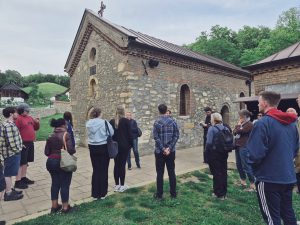
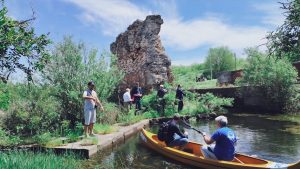
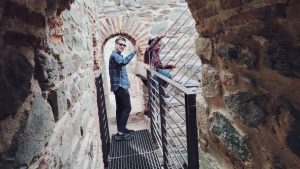
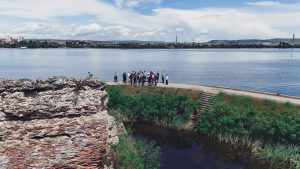
The cultural and historical monuments of Serbia occupied a special place within our activities. In addition to the work carried out at Viminacium, we organised visits for our guests to Trajan’s Bridge, Ram Fortress, and the Nimnik Monastery, as well as to the Church of St George, the 19th-century mining colony, and examples of traditional architecture in the village of Kostolac.
We hope that the educational potential of the Institute of Archaeology, once again demonstrated through its work with international students, will become even more widely recognised internationally, and that Viminacium will continue to gather researchers, students, professors, and experts as one of the unique places in Europe and the world for the exchange of scientific knowledge and professional practices in the field of cultural heritage research and protection.
The activities were implemented by associates of the Institute of Archaeology from the Department for Cultural Heritage, the Research Centre for the Roman Limes and Viminacium, and the Department of Prehistoric Archaeology: Emilija Nikolić, Ljubomir Jevtović, Ivan Bogdanović, Igor Bjelić, Bojan Popović, Jelena Anđelković Grašar, Nemanja Mrđić, Vidan Dimić, Petar Kojadinović, and Angelina Raičković Savić, together with associates of the Viminacium Center for New Technologies: Željko Jovanović, Igor Milošević, and Ivan Marjanović.
The activities were carried out with the financial support of the Institute of Archaeology and the GreenHeritage project, while also incorporating the results of the successfully implemented projects MoDeCo2000 (Science Fund of the Republic of Serbia), Dig4XP (SAIGE), and AMULUM (SAIGE).
0.9.142